Understanding the psychological effects of gambling on decision-making processes
The Psychology Behind Gambling
The allure of gambling lies deeply within human psychology. The thrill of risk-taking stimulates the brain’s reward center, releasing dopamine, a neurotransmitter associated with pleasure. This pleasurable response can lead individuals to pursue gambling despite potential negative outcomes. Understanding this psychological foundation is crucial for recognizing why many become entangled in gambling behaviors. Additionally, if you’re looking to bet on Msport in Nigeria, you’ll find that engaging responsibly can enhance your experience.
Moreover, the excitement associated with betting can often cloud judgment. Gamblers may overestimate their chances of winning due to cognitive biases, such as the illusion of control, where they believe they can influence the outcome. This misconception can lead to impulsive decisions, further entrenching them in the gambling cycle.
Impact on Decision-Making Processes
Gambling significantly alters decision-making processes, often leading to irrational choices. When individuals are in a gambling mindset, they may prioritize short-term rewards over long-term consequences. This shift can skew their perceptions of risk and benefit, resulting in decisions that are not aligned with their best interests.
Additionally, the pressure of potential losses can exacerbate poor decision-making. The phenomenon known as loss aversion explains that the pain of losing is psychologically more impactful than the pleasure of gaining. Consequently, this can drive gamblers to chase their losses, creating a vicious cycle of increasingly risky behaviors.
The Role of Environment and Social Factors
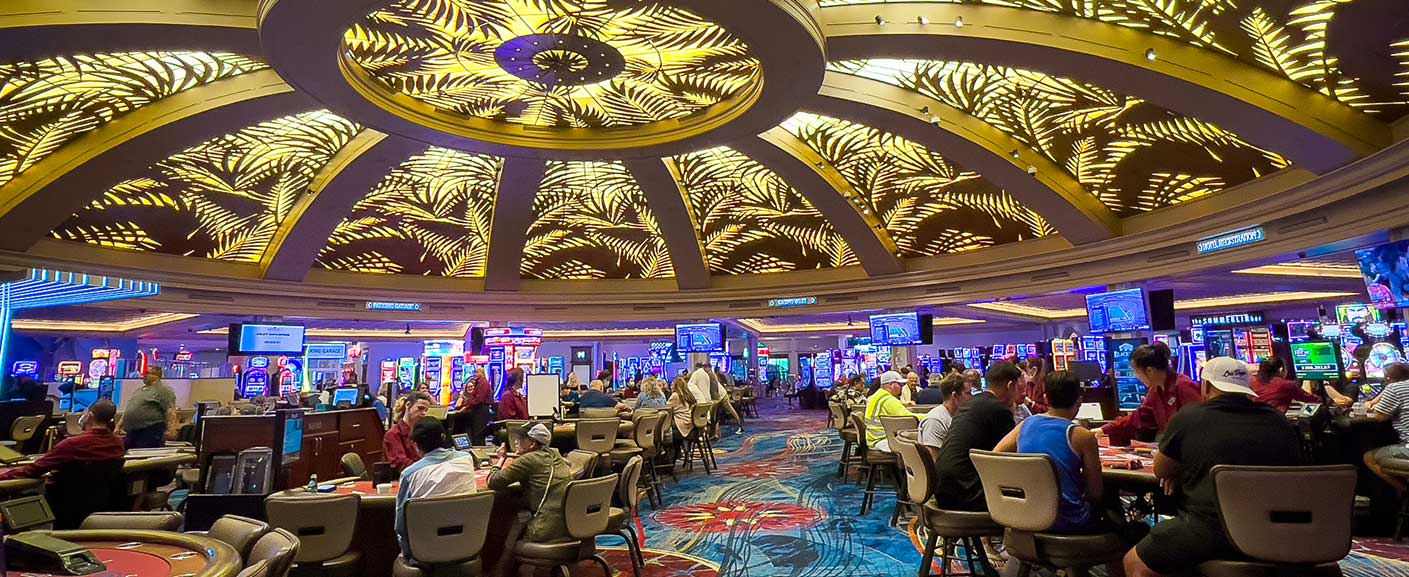
The environment plays a significant role in gambling behavior. Factors such as the presence of other gamblers, the atmosphere of a casino, and even advertisements can influence how individuals perceive risk and reward. A stimulating environment can heighten the excitement, leading to more impulsive decisions.
Social influences are equally powerful. Peer pressure and societal attitudes towards gambling can shape how individuals approach betting. If gambling is viewed as a normal recreational activity within a social circle, individuals may be more inclined to participate, often ignoring the psychological effects and potential consequences of their decisions.
Recognizing Problematic Gambling Behavior
It is essential to identify the signs of problematic gambling to mitigate its impact on decision-making. Individuals may exhibit behaviors such as lying about their gambling habits, borrowing money to gamble, or feeling anxious when not gambling. Recognizing these indicators can help in seeking timely intervention and support.
Addressing gambling-related issues requires a holistic approach, combining psychological support with practical strategies. Encouraging self-reflection and awareness of one’s gambling behavior can empower individuals to make more informed decisions. This awareness is the first step toward reclaiming control over their decision-making processes.
Exploring Responsible Betting with MSport
For those looking to engage in gambling responsibly, MSport offers a safe and user-friendly platform for sports betting and casino games, ensuring that users can enjoy their betting experience without compromising their well-being. You can explore more at https://msportbet.ng/en-ng/.
MSport is committed to promoting responsible gambling practices, offering resources and tools to help bettors make informed decisions. By fostering a community that values safe gaming, MSport enables individuals to enjoy the thrill of betting while maintaining control over their choices. Join the platform today and experience a balanced approach to gaming.
Leave a Reply